What GSM actually tells you
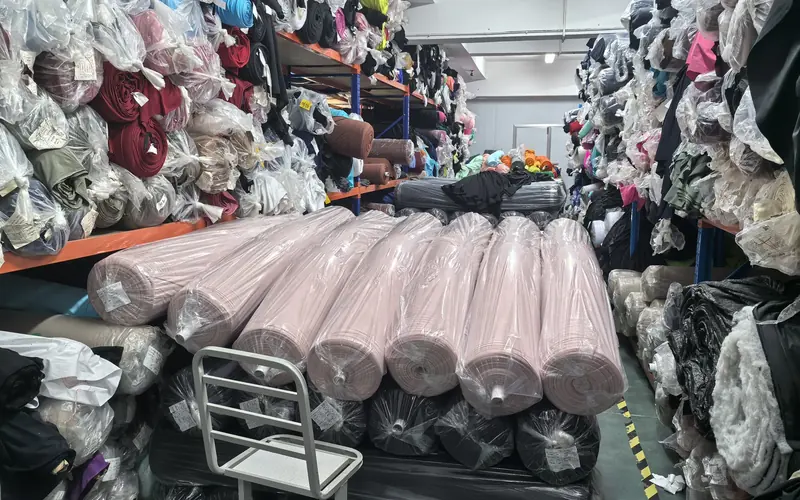
GSM means grams per square metre. It describes the weight of the fabric, which in turn hints at body, opacity, compression and warmth. It does not describe the knit, the stretch or how the fabric behaves when the rider is in position.
Two 220 GSM fabrics can feel completely different: one may be a smooth powerknit, the other a brushed cold-weather knit. That is why the weight is always read together with the construction and the end use.
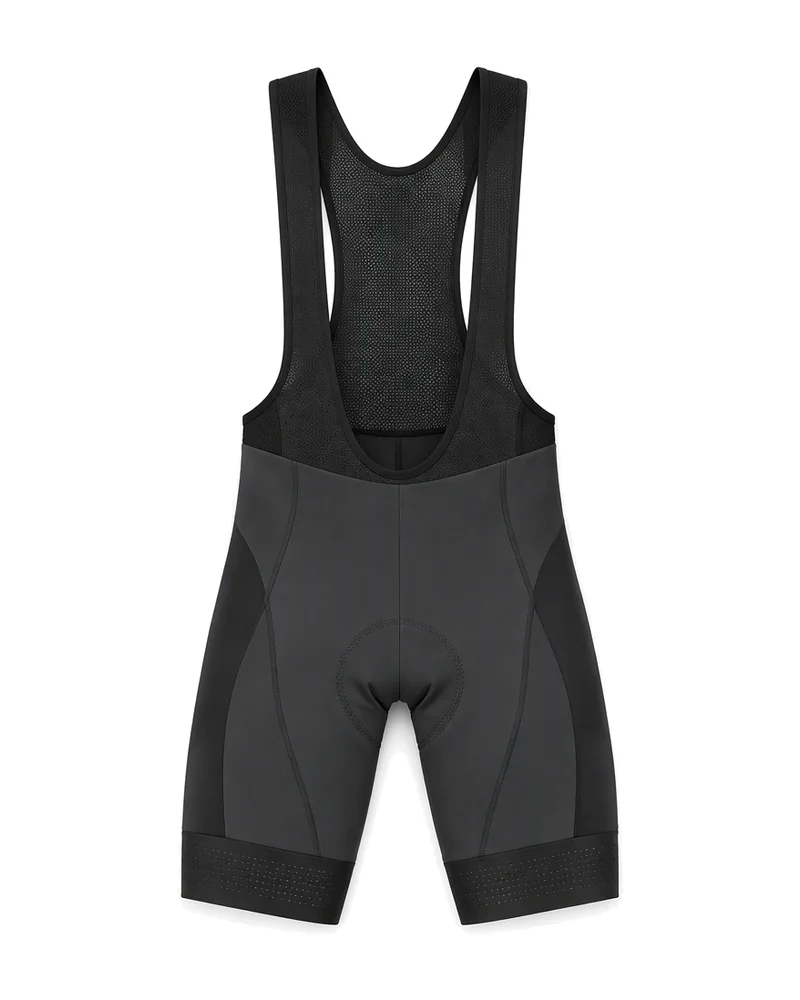
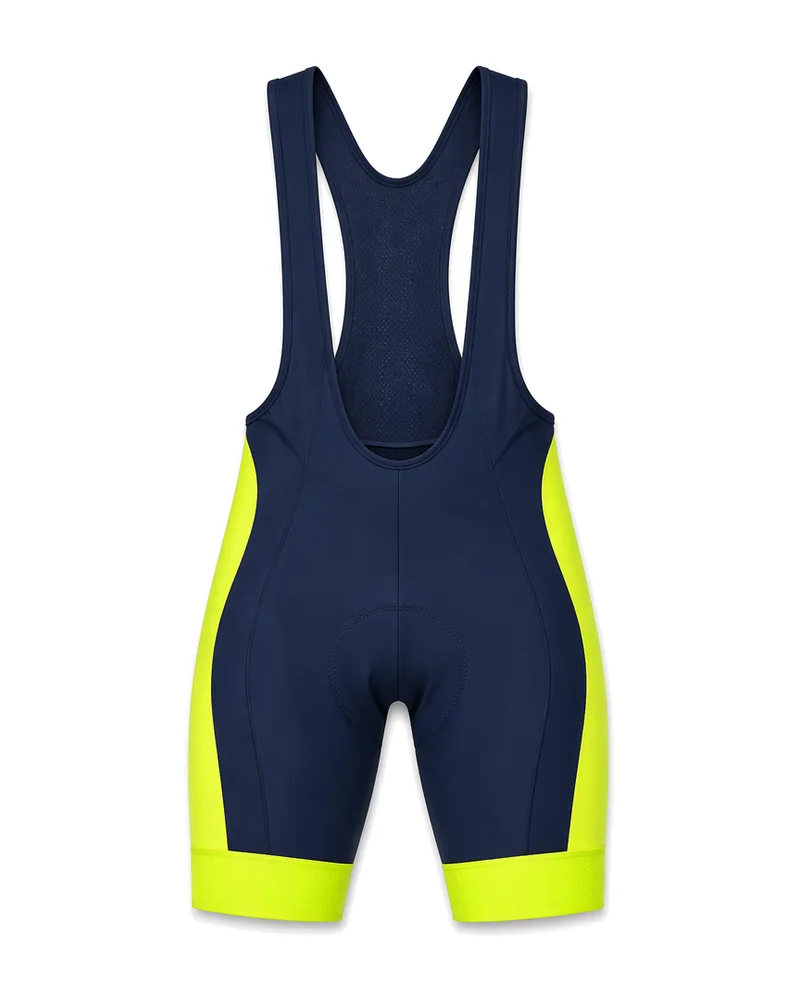
On a bib short, read two numbers at once: the leg panel weight and the mesh upper weight. They solve different problems and are never specified as one figure.
Leg panels: 200-240 GSM
The leg panel has to hold compression through the thigh, keep the chamois in place and resist pilling through repeated wash cycles. That puts a compressive knit at 200 to 240 GSM.
The lighter end suits race and criterium bibs where the panel sits close and the pad is dense; the heavier end gives a little more support and coverage for endurance and gravel bibs. Panels are cut to the correct grain so the compression runs around the leg, not down it.
See the bib shorts line for the current builds.
The mesh bib upper
The straps and upper are a separate knit: light, open and built to breathe under a jersey. A bib upper weighs a fraction of the leg panel, so quoting a single GSM for the whole short would be meaningless.
Upper construction decides how the short hangs at the shoulder. Edge binding, laser-cut raw edges and crossed straps all change where the pull lands, and that is approved on the sample along with the leg length.
The chamois
The pad is the part a rider notices first. Race pads are thinner and denser for the drops; endurance pads carry more foam for long days; gravel and cargo pads sit wider for hours of mixed surface.
Pad density and shape are chosen with the ride, then matched to the panel so the short keeps the pad in contact with the saddle through the pedal stroke. A short that is too loose at the leg will let the pad move, no matter how good the foam is.
Four-way stretch and a flatlock seam around the pad are where most of the comfort comes from, so both are checked on the sample rather than assumed from the fabric spec.
How to specify a weight
Send the riding type, the fit, the chamois direction and the decoration with your enquiry. From that, a panel weight and upper construction can be proposed and sampled.
If you already have a fabric reference, send the swatch or the exact specification. If you only have a reference garment, send photos and describe how it should feel - compressive, soft, matte or supportive.
The approved swatch becomes the bulk reference for shade, weight and hand-feel. A weight change after approval is a new sample, not a production adjustment.