Why one number cannot cover every bib
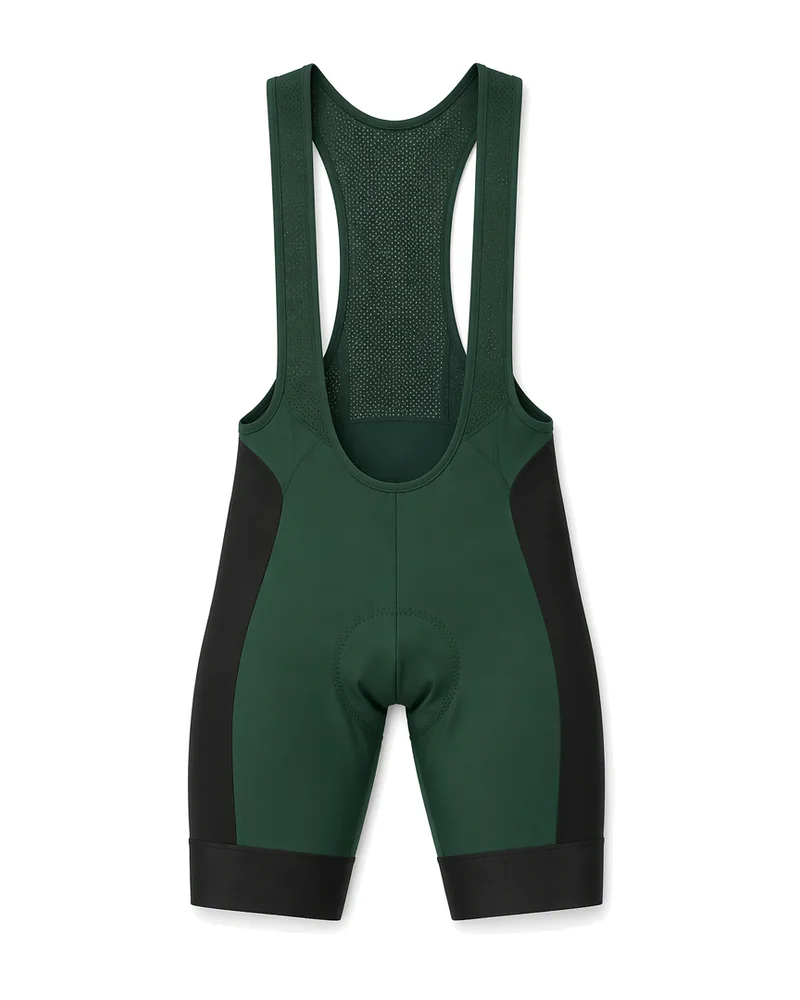
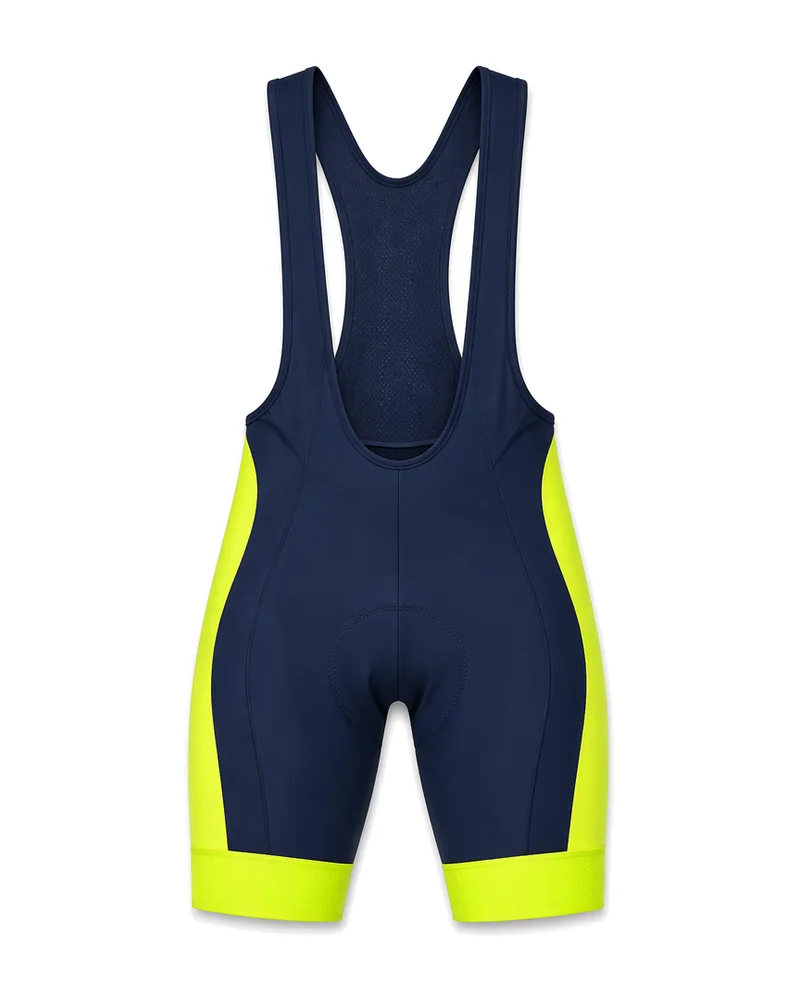
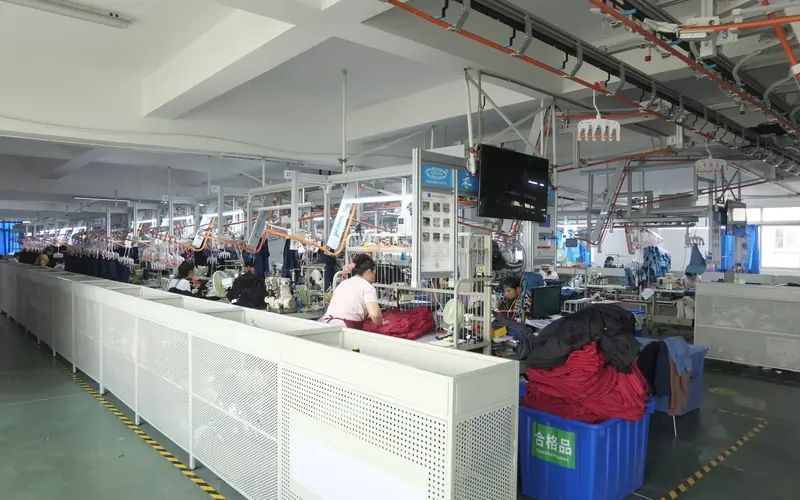
A catalog looks uniform on a page, but the production behind it is not. A race bib with a moulded pad, an endurance bib in a heavier compressive knit and a cargo bib with welded pockets use different fabrics, different machines and different assembly steps.
That is why the minimum is quoted per style rather than as one flat order threshold. The published range runs from 10 to 20 units, and each style page states its own figure. The exact number for your colours, pad and decoration is confirmed in the quotation.
Before you build a budget around a catalog number, check the style page and ask for the confirmation in writing. It is the difference between planning a first order that runs cleanly and discovering a constraint after the order is placed.
The published range by style
The ranges below reflect the current line. Inside the line, a specific build can sit at the higher end once fabric, pad and decoration are confirmed.
- Race and criterium bibs: 10 to 20 units.
- Endurance bibs: 10 to 20 units.
- Cargo and gravel bibs: 10 to 20 units.
A unit is one finished garment. If your order covers several colours or builds, treat each as its own line with its own confirmation, even when the styles share a fabric.
What pushes a quantity up
Some builds are limited by materials rather than by the standard minimum. A specific chamois density, a bespoke gripper band or printed retail packaging can each carry a supplier minimum of its own.
The same applies when a decoration needs testing on a new knit, or when a colour requires a dedicated fabric lot. In those cases the quantity is confirmed before you commit, and the reason is stated with the quotation.
The pad is often the longest-lead component, and the leg length and gripper choice can narrow the fabric options, so sending the pad direction and leg length with your enquiry lets the real minimum be quoted up front.
Planning a first club order
A first order is usually a test with real riders. Keep the number of styles and colourways realistic so each line has enough depth to fit the group.
- Start with one bib short, since it carries the crest, sponsor panels and pad choice.
- Add a second colourway or a cargo build only once the first bib is approved.
- Split sizes against your actual rider list, not a generic ratio.
- Keep retail or supporter pieces for a second order once the bib is approved.
A tighter first run is easier to judge than a wide run with thin quantities everywhere. The second order can then repeat the approved construction, fabric and pad.
What to send with the enquiry
A short brief is enough to start. Include:
- The riding type - road, criterium, endurance or gravel - and any style reference you like.
- Your target quantity and how many colourways it covers.
- The size breakdown or rider list.
- Pad density, leg length and the decoration you already know you want.
- Your destination country and target timeline.
Send that through the contact page or the quote form. The reply should state the confirmed MOQ per style, the sampling step and the production plan. If you want to see how the styles are built first, start with the catalog.