Start with measurement points
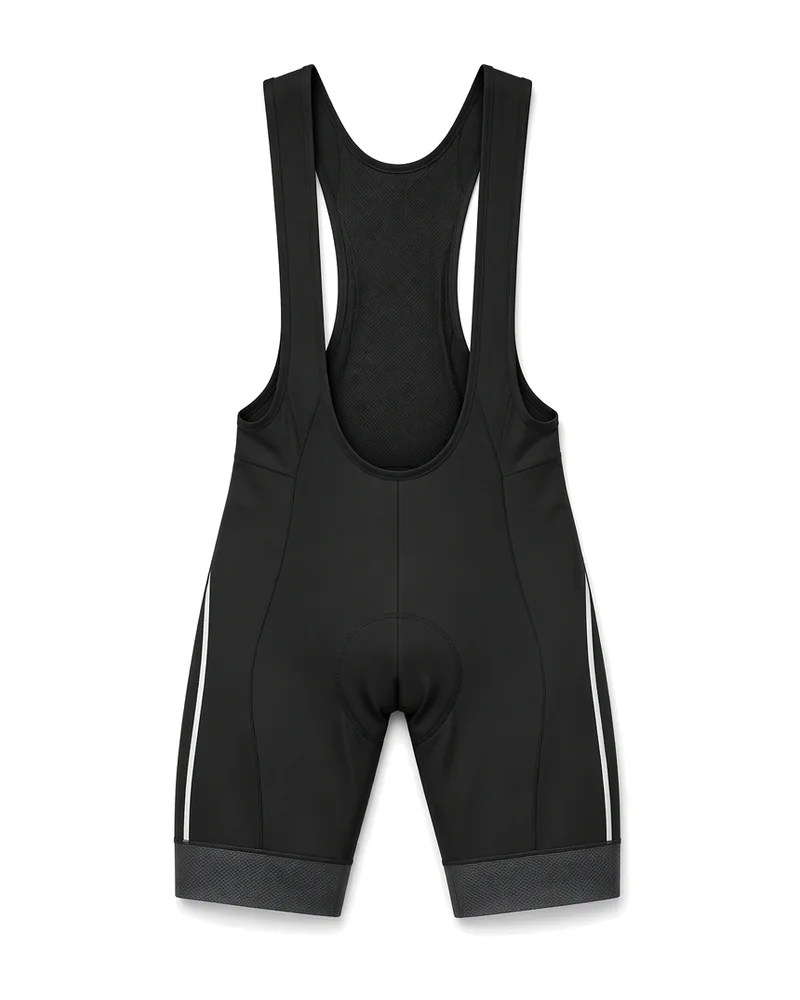
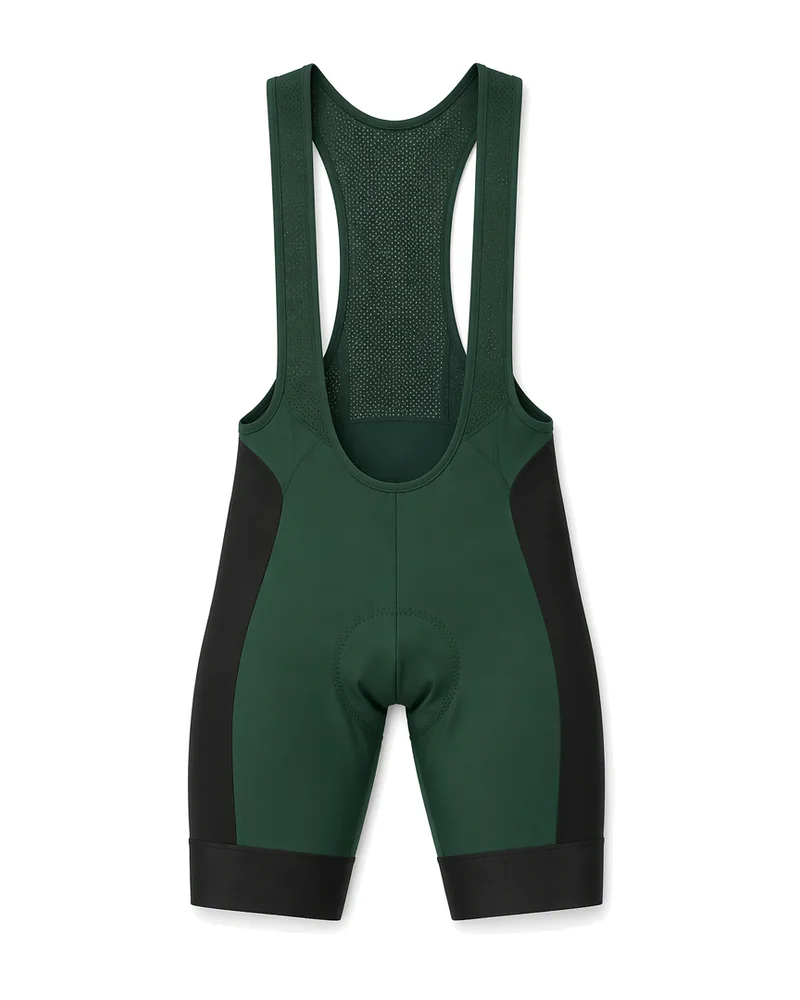
A useful chart lists the points that matter for the garment, not every dimension on a pattern. For bib shorts: waist, hip, thigh, inseam, outseam and the mesh upper length.
Record the leg opening circumference as well, since the gripper has to sit flat without pinching. Each point needs a target measurement per size and an acceptable tolerance. Without a tolerance, a 1 cm difference becomes a dispute instead of a normal production range.
Send your existing chart if you have one, or your reference bib measured flat on a table.
Fit is a decision, not a default
The same waist and thigh measurement can produce a race fit, an endurance fit or a relaxed club fit depending on the block and the compression built into it. Decide which one the program needs before the sample is cut.
- Race fit: close, high compression, shorter leg - criterium and road race bibs.
- Endurance fit: slightly more room through the hip for long days and mixed groups.
- Club fit: a straighter block with more ease, often chosen for a wide membership.
- Gravel and cargo: room through the thigh plus pockets for hours off-road.
State the fit in words as well as measurements. Two charts with the same numbers can still feel different if the waist rise, groin panel or leg opening is shaped differently.
Bibs, pad and leg length
Bib shorts are where fit and function meet. The pad has to stay in contact with the saddle through the pedal stroke, so the short cannot be too loose at the leg or too short in the upper.
Chamois density is a separate decision from size. A race pad and an endurance pad sit differently in the same short, and the leg length changes how the gripper sits above the knee.
Approve the pad, the leg length and the gripper on the sample together. Changing one after approval is a new sample, not a sizing correction.
Splitting a club order
Build the split from the riders you actually have. List each rider, their size and whether the piece is a rider or staff item, then total by size and colourway.
Most orders need more medium and large than small and extra large, but the ratio changes with the group, the fit and the gender mix. A women's bib is a different block, not a scaled men's size, and needs its own chart and its own chamois position.
Confirm the split before production. The cut plan, the packing list and the label count all follow from it, and changes after cutting are expensive to absorb.
Approving fit before bulk
The sample is where fit is approved. Have it tried on the riders who will wear it, across the edges of the size curve - usually a small and an extra large - rather than only the middle size.
Check movement as well as static fit: holding the drops, getting out of the saddle, the aero position and a full pedal stroke. A bib that measures correctly but creases at the groin panel or digs at the gripper is not approved.
Record the approved measurements, the fit description and any changes in one comment round. That record is what bulk is checked against at the inspection stages.